

Air quality and its impact on our health at work is not a new subject, although Coronavirus has certainly brought focus to the topic. In last year’s (pre-Covid-19) Department for Transport’s National Travel survey, 48% of the respondents said they were concerned about air pollution and this leapt to 59% of those living and working in urbanised areas. The irony is that outdoor pollution is actually nowhere near as problematic as the air in the buildings we occupy.
Indoor air quality describes how the air inside a building or facility affects a person’s health, comfort, and ability to work. It’s a major concern to businesses, employees, and rental managers because indoor air can have a huge impact on the well-being and productivity of employees.
The fact is – our environment clearly affects how we perform at work and air pollution is consistently ranked among our most worrying environmental dangers.

Pre-Covid, employees would spend nearly one third of their lives at work… often in excess of 90,000 hours. Knowing this time is spent in an environment which may be 2-5 times more polluted than sitting on the main road outside, is alarming.
Managing and improving air quality in your premises goes above and beyond preventing absences, however. Workplaces with high levels of CO2 can reduce productivity by up to 11%.
There are multiple solutions to poor indoor air quality. For some companies, simply opening the windows and adding more plants into the office is a great solution. Air purifiers can assist in removing contaminants from the air in a room to improve air quality.

- Have your air quality tested. Experts in air quality have the right tools and know-how to measure air quality in offices, from airflow to humidity levels, ventilation, odours, leaks, standing water, water damage, mould growth and more. After a thorough inspection, you’ll know exactly what needs to be fixed to improve office air quality moving forward.
- Replace air filters frequently. If your air filters are clogged, air flow becomes non-existent. Over time, dust and debris will build up behind the filters and settle inside your air ducts, putting your employees’ health at even more risk. As a general rule, air filters should be replaced every 6-12 months.
- Inspect and clean your air ducts. If there are any signs that your air ducts are impacting air quality or circulation and need to be cleaned, call in experts to assess and correct the issue before anyone’s health is compromised.
- Keep your air vents open and unblocked. If furniture, boxes or other items block the path of your air vents, the air inside your office won’t circulate properly and could cause health issues.
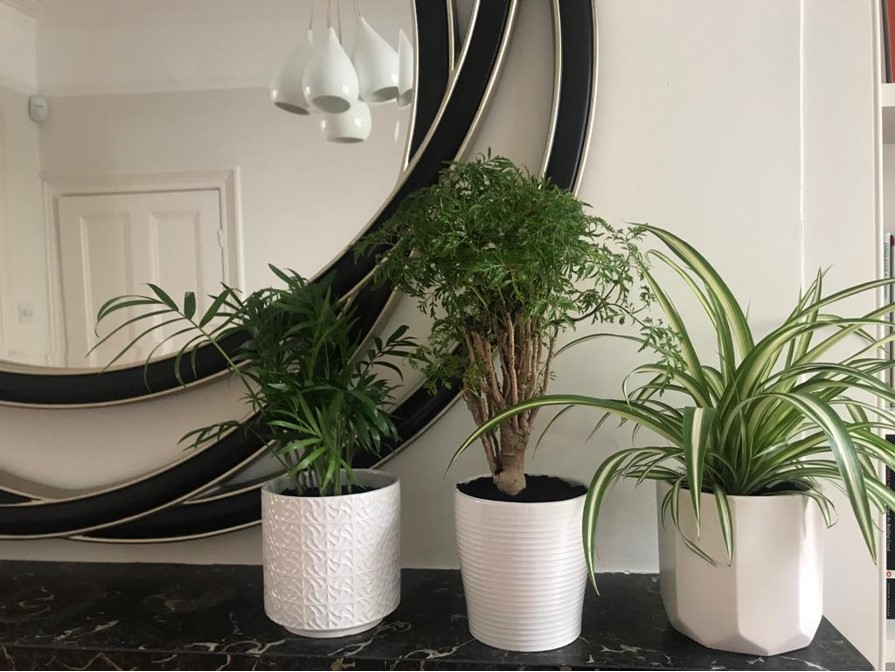
- Add some office plants. Not only do plants add a pleasing, peaceful aesthetic to any office, they also absorb toxins and produce more oxygen, which means employees will be able to breathe more easily.
- Maintain a healthy level of humidity. Humidity between 30 and 50 per cent helps keep dust mites, mould and other allergens under control. Use dehumidifiers and air conditioners to control the humidity level in your office.
- Keep your office clean. Regularly vacuum, dust, sanitize, clear away clutter and promptly dispose of all garbage as it accumulates. Often, it’s easiest to schedule regular professional cleanings to ensure this crucial component of indoor air quality doesn’t get overlooked. Keeping clean ensures fewer pollutants have a chance to mix with the air and make your employees sick.
- Clean spills immediately. Excess moisture or residual dampness supports the growth of mildew and mould, which can cause severe health risks. It’s more expensive to remediate mould damage than it is to prevent it, so it’s in your best interest to reduce the risk of mould growth by cleaning up spills or leaks as soon as you see them
- Use fresh air whenever possible. If your office has windows, open them up and let that fresh air in. When weather permits, keeping your windows and doors open helps circulate fresh air in and stale air out.
As with most health and wellbeing issues – prevention is better than a cure. Employers navigating the pandemic cannot afford to ignore the wider impact their buildings and premises may be having on workers health and productivity.
